Capturing the Spirit of the Season with a Retro Display Typeface
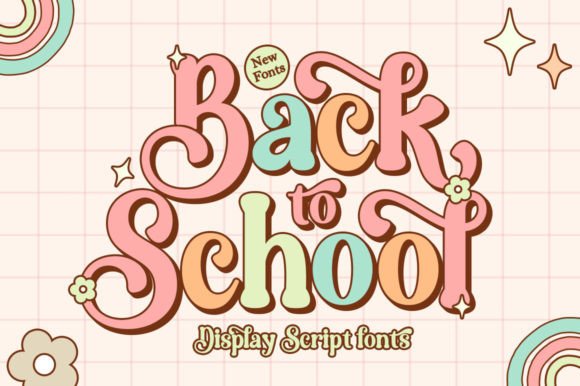
The moment you see a typeface that perfectly captures a feeling of nostalgia and excitement, you know you have found a design asset worth keeping. The Back to School font immediately evokes a sense of cool, retro energy, making it a standout choice for projects that need a personality boost. It is more than just a set of letters; it is a vibe that can transform ordinary text into a visual statement.
The Cool, Retro Appeal of Modern Typography
In the world of modern typography, designers often seek fonts that bridge the gap between vintage charm and contemporary utility. This particular typeface fits that description perfectly, offering a display font style that feels both playful and professional. Its visual weight and character make it an excellent candidate for logo design and brand identity work where standing out is the primary goal. When you need a font that commands attention without overwhelming the viewer, this style strikes the right balance.
Unlocking Creative Flexibility with PUA Encoding
One of the most practical features of this asset is its technical accessibility. As a PUA encoded font, it ensures that every glyph and alternate character is within reach, regardless of the design software you use. This is a massive advantage for creators who work across different platforms.
- Easy Access: You can utilize special characters in programs like Canva, Photoshop, or Illustrator without complex workarounds.
- Design Freedom: The availability of alternates allows for unique customizations, ensuring your text looks distinct.
- Compatibility: It removes the technical barriers often associated with premium font features.
This ease of use makes it a reliable addition to your library of design assets, saving you time during the creative process.
Practical Applications for Headlines and Branding
When considering where to deploy a fun display font, the options are vast. Because it is designed to look great on headlines, it is a natural fit for editorial design and poster design. Large, bold text is where this typeface truly shines, capturing the viewer's eye instantly.
Beyond print, this font translates beautifully into the digital space. It is an excellent choice for creating engaging social media graphics that need to stop the scroll. Whether you are designing a YouTube thumbnail, an Instagram story, or a header for a newsletter, the retro aesthetic adds a layer of polish. It also works well for packaging design, particularly for products targeting a youthful or nostalgic demographic, such as school supplies, snacks, or apparel.
Building a Visual Hierarchy with a Display Typeface
Effective typography is about contrast and hierarchy. While a strong display font like this is perfect for headlines, it requires careful pairing to maintain readability across a full layout. For web design or magazine layouts, consider pairing this typeface with a clean sans serif font or a simple serif font for body copy.
The goal is to let the Back to School font handle the "wow" factor while a more neutral typeface handles the heavy lifting of long-form text. This approach ensures your designs look professional and are easy to read, which is crucial for maintaining user trust and engagement.
Choosing the Right Font for Your Project
When selecting a commercial font, it is important to consider the overall tone of your project. This specific typeface is ideal for creative projects that aim to be approachable, energetic, and memorable. It fits perfectly with themes of youth, learning, and creativity. However, for highly formal corporate reports or legal documents, a more traditional style might be appropriate.
Always test your typography choices in context. Place the font on your mockups for logos, merchandise, or invitations to see how it interacts with your color palette and imagery. The right font should feel like a natural extension of your brand identity, reinforcing the message you want to convey.
Ultimately, investing in a high-quality, creative font is an investment in your visual communication. It helps bridge the gap between a basic layout and a polished, professional presentation. By choosing a typeface that aligns with your project's mood and technical needs, you ensure your message is not just read, but felt.